

Grief After Suicide
Losing someone to suicide is a devastating and deeply complex experience. It can leave families, friends, and loved ones overwhelmed with emotions that are often difficult to understand or express. Alongside grief, there may be shock, confusion, guilt, anger, and an urgent need to find answers.
Grief after suicide is different. It is often heavier, more complicated, and more isolating — but you do not have to face it alone.
Understanding Suicide Bereavement
Grief following suicide can feel intense and unpredictable. Many people experience what is known as complicated grief, where emotions feel overwhelming and do not follow any clear pattern.
You may experience:
- Deep shock, disbelief, or numbness
- Guilt or persistent “what if” thoughts
- Anger towards the person, yourself, or others
- Shame or fear of judgement
- A sense of abandonment or rejection
- A relentless search for answers that may never come
All of these reactions are natural. You are not weak or wrong for feeling them.
The Unique Pain of Suicide Loss
When someone dies by suicide, loved ones often carry a unique burden of unanswered questions and unresolved feelings. You may grieve:
- The life that was lost
- The opportunity to help or intervene
- Conversations that will never happen
- A future you had envisioned with them
- Trust in safety and certainty
This type of grief can feel lonely because many people do not know what to say or how to respond.
You Are Not Alone
People bereaved by suicide often feel isolated or stigmatised. Friends or family may avoid the subject, change the subject, or pressure you to “stay strong.” This can make the grief even more painful.
You deserve to speak openly, be heard, and be supported without judgement.
How the National Grief Advice Service Can Help
At the National Grief Advice Service, we provide compassionate, confidential support for individuals affected by suicide loss. Our trained advisors understand the complexity of this type of grief and offer a safe space where your feelings are respected and validated.
We can support you with:
- Processing overwhelming emotions
- Making sense of guilt, anger, and confusion
- Finding gentle ways to cope day by day
- Feeling supported without pressure or judgement
- Navigating life after loss
When to Seek Additional Support
You may benefit from professional support if:
- Your grief feels unbearable or constant
- You feel isolated or unable to talk openly
- You are struggling to function day to day
- You feel stuck in guilt, anger, or shame
Reaching out is not a sign of weakness — it is an act of strength and self-care.
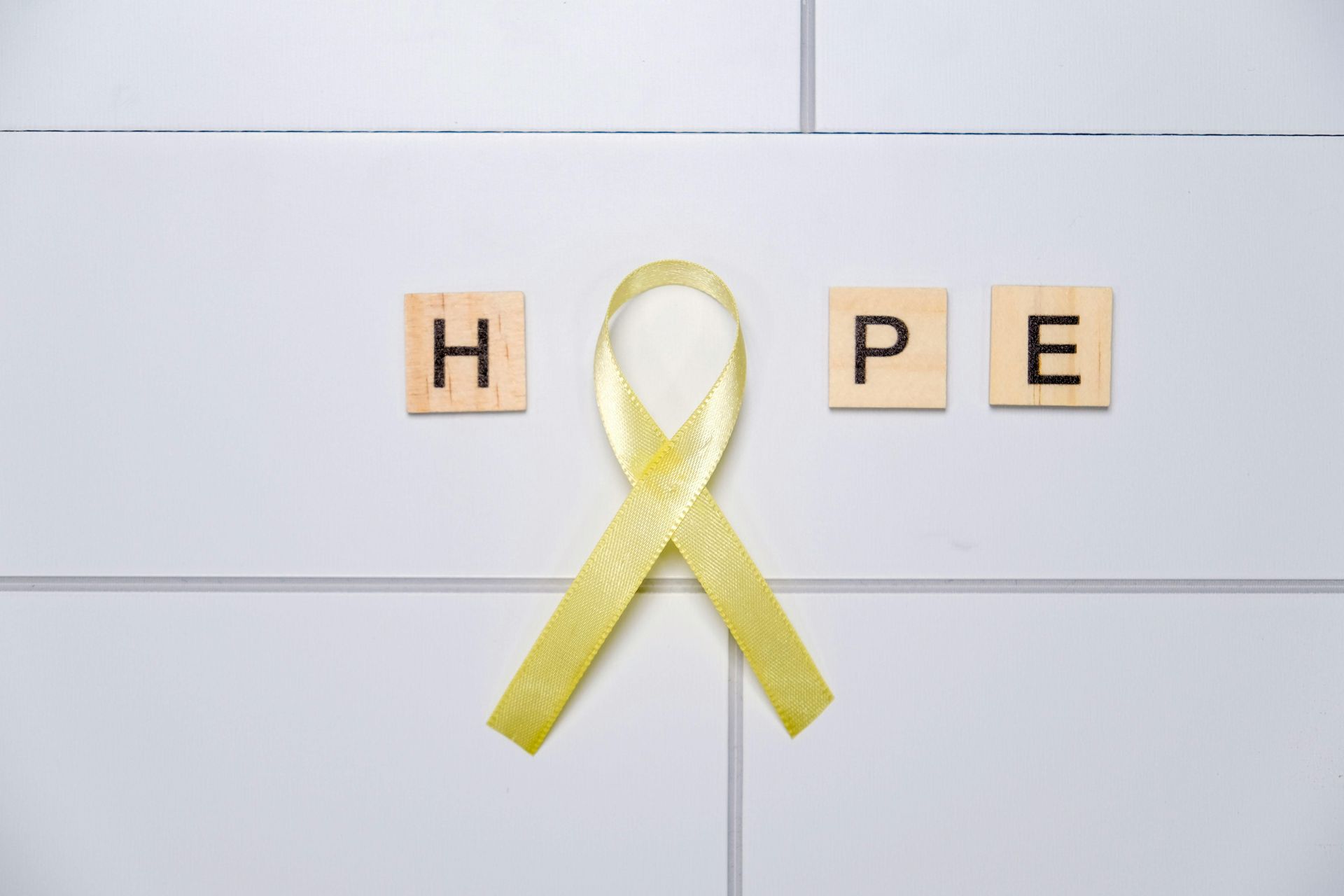
A Message of Compassion and Hope
Grief after suicide is not something you simply “get over.” It is something you learn to live with, step by step, with care and support. Healing is not about forgetting, but about finding a way to carry love alongside loss.
The National Grief Advice Service is here to walk beside you with compassion, respect, and understanding.